Usma grass has been popping up everywhere lately - hair growth conversations, brow routines, clean beauty threads, and the kind of “what finally worked for me” stories people share late at night. You’ll see it mentioned alongside thinning edges, sparse brows, postpartum shedding, and those frustrating seasons when hair feels like it’s changed overnight. When an ingredient starts showing up in that many places, the curiosity becomes obvious. What is Usma, and why do so many people talk about it like it’s a rediscovered secret?
Usma is a traditional botanical commonly associated with European woad, known botanically as Isatis tinctoria, and it has a long record of use across different regions and practices. Woad is also known historically as a dye plant because it contains pigment that was used to produce indigo-blue color, which is one reason it appears in botanical references and research catalogs. In this post, you’ll learn what Usma grass refers to, the benefits people most commonly seek from it, what science has studied about the plant, and how to use it safely in a routine with a realistic timeline for noticing changes.
What Usma Grass Is (and why it’s easy to confuse)
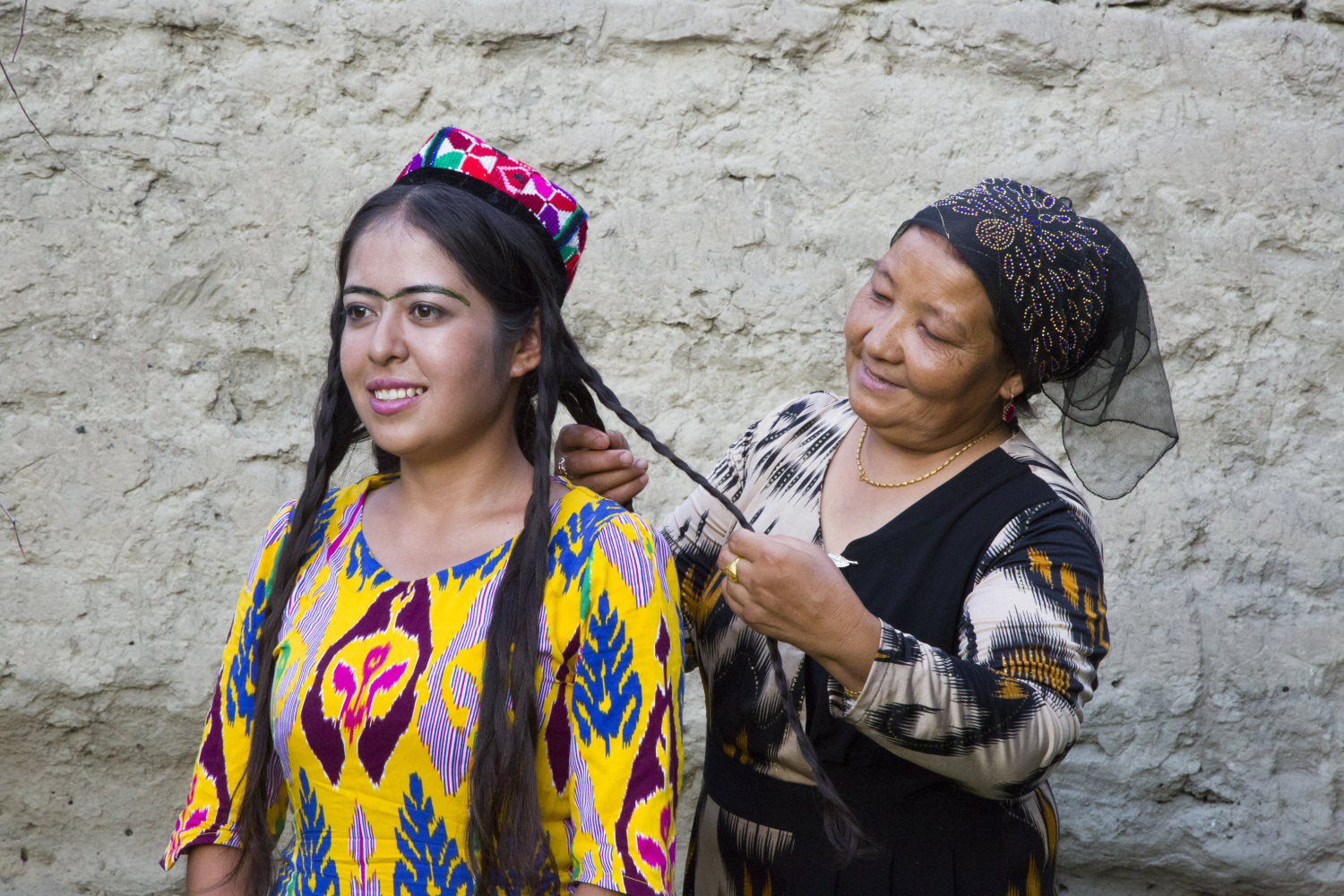
“Usma” is the name many people hear in hair and brow conversations, and it’s often used as a shorthand for a traditional botanical used in Central Asian routines. Depending on where someone learned about it, Usma can refer to the plant itself, a fresh preparation made from it, or an extract used in a finished product. That mix of meanings is one reason the term can feel confusing at first, especially when different regions use similar names for closely related plants.
In many modern references, Usma is most commonly linked to Isatis tinctoria, also known as woad. You may still see variations in naming because some sources use local names while others use the botanical name found in research and product labeling. Woad also has a long history as a dye plant, which is why it appears in botanical catalogs and chemical studies that have nothing to do with beauty, and that long paper trail makes it easier to identify across regions even when everyday naming changes.
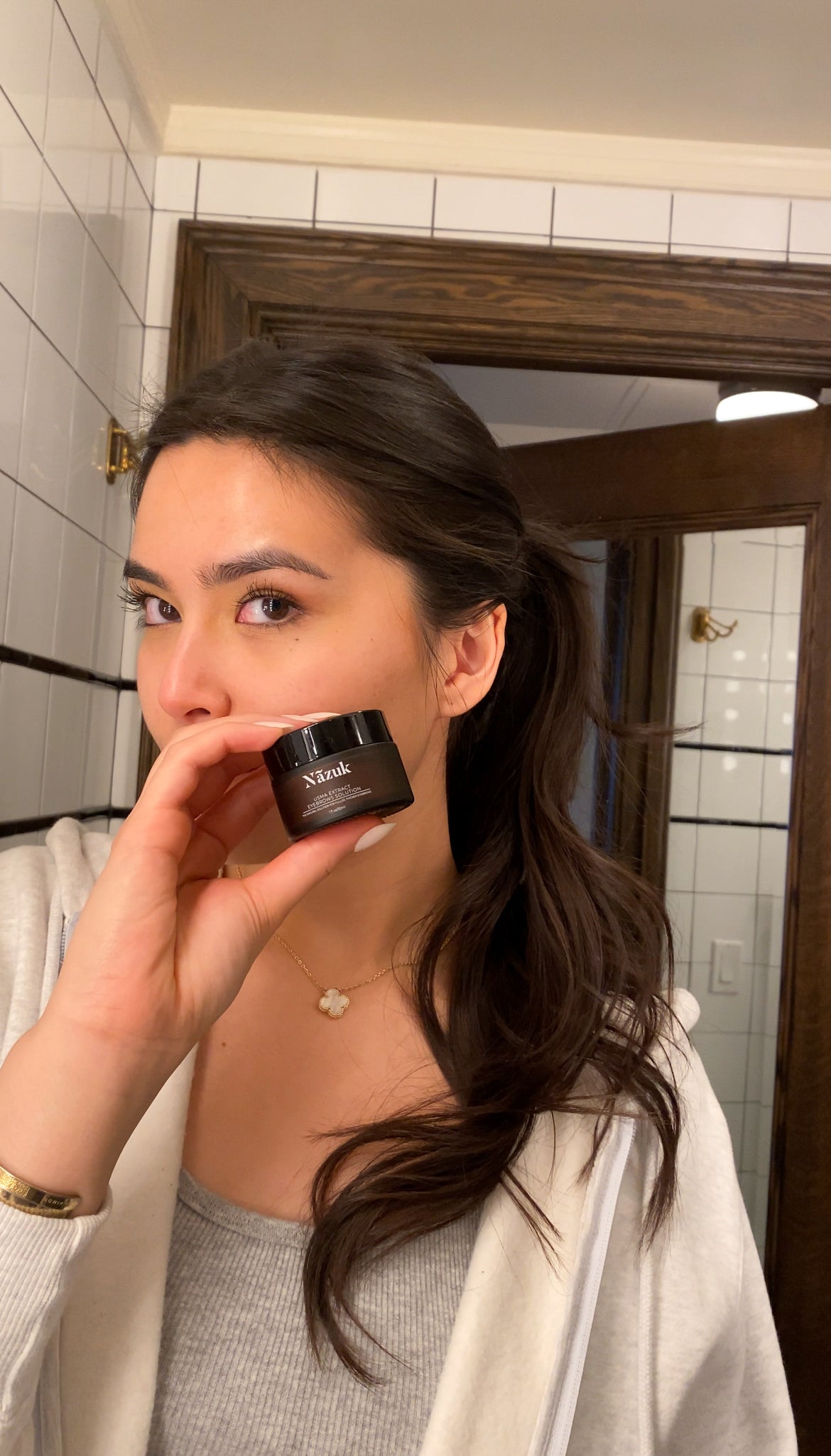
Nãzuk Beauty is a brand built around bringing this traditional ingredient into a modern, routine-friendly form. The brand was created from a personal hair-loss experience and a return to Usma as a trusted family ritual, then translated into clean, consistent formulas made for everyday use. If you want the full background on how Usma became the foundation of the brand and what “Nazuk” means in that cultural context, you can read the story here: Our Story →
Benefits People Want (and what evidence can support)
People usually come to Usma-based routines for one of two reasons: brows that look sparse and uneven, or hair that feels fragile during a shedding season. For brows, the goal is often a fuller-looking, more defined shape over time, especially in areas that feel overworked from years of shaping. For scalp and hair, people tend to look for a routine that supports comfort and makes hair feel healthier-looking and more resilient with steady use, which is why Usma shows up frequently in postpartum routines and sensitive-scalp conversations. Nãzuk Beauty uses Usma as a core ingredient in its Hair Growth Oil, designed as a simple scalp-support step that fits into a repeatable weekly rhythm.
On the science side, most of what’s well-established is the plant’s chemistry and the kinds of biological properties researchers study when looking at extracts and oils. A comprehensive review in the journal Plants summarizes Isatis tinctoria research across ethnobotany, phytochemistry, and documented biological activity, which helps explain why the ingredient continues to attract attention beyond tradition alone. A separate review focused specifically on woad seeds describes their chemical profile—including fatty acids, phytosterols, and glucosinolates—and frames these compounds in the context of cosmetic and pharmaceutical potential, which aligns with why Usma-based routines are often discussed as supportive, conditioning care rather than an aggressive treatment.

How to Use Usma (Simple routines + safety)
1) How to use Usma for brows (simple schedule)
Option A: Daily routine (easy + consistent)
- Use Brow Growth Oil nightly on clean, dry brows: Shop Brow Growth Oil →
- Apply a small amount and focus on sparse areas (especially tails and gaps).
- Brush brows gently in the direction you want them to lay.
- Keep it consistent for several weeks before changing anything.
Option B: Deep treatment 2–3x/week (for stubborn sparse areas)
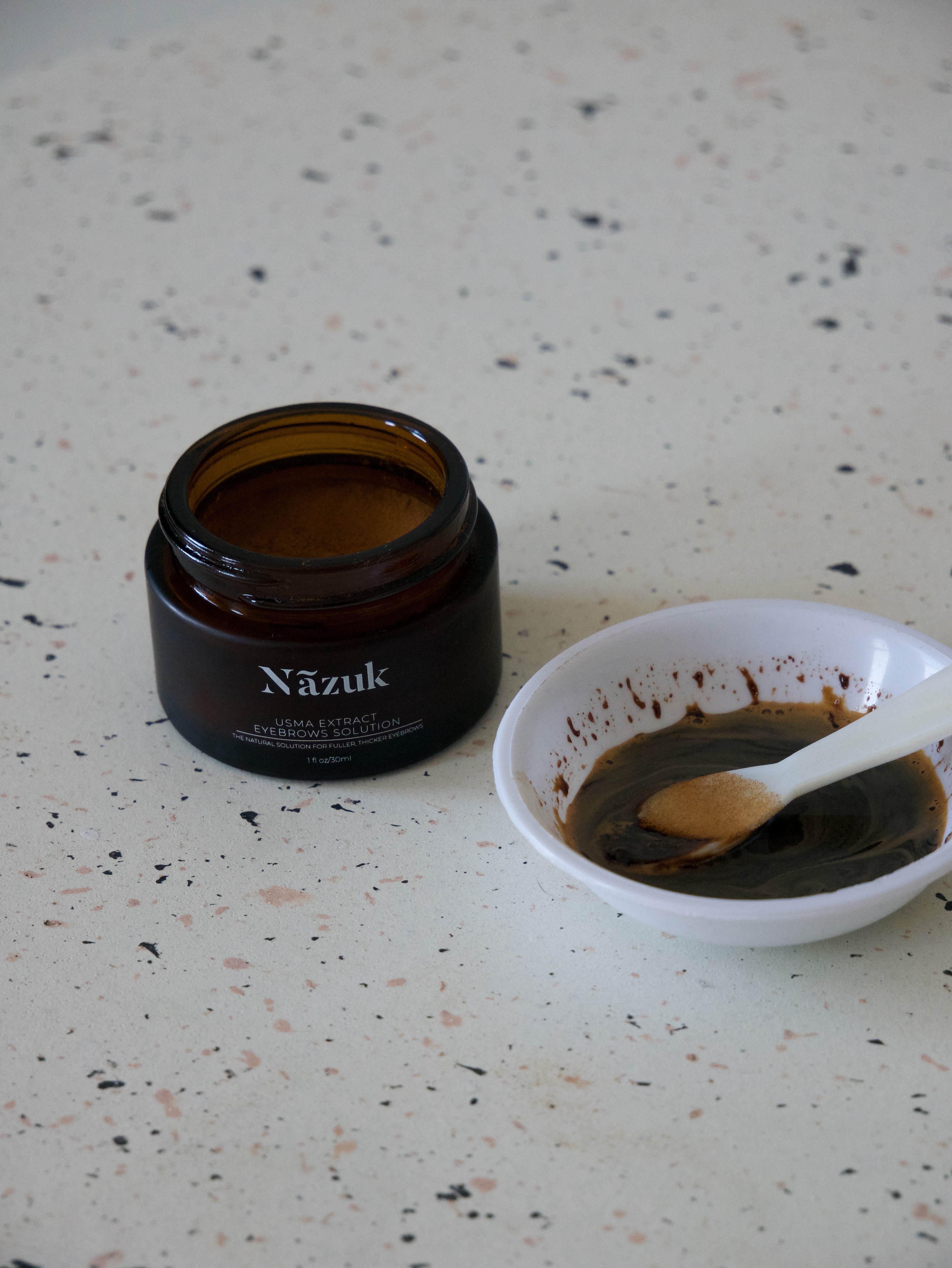
- Use the Eyebrow Regrowth Mask 2–3 nights per week: Shop Eyebrow Regrowth Mask →
- Apply evenly across the brow line (avoid the lash line / getting too close to the eyes).
- Follow the product directions for how long to leave it on, then remove gently.
Simple combo schedule (popular + easy to follow)
- Mask: 2–3 nights/week
- Oil: all other nights (or nightly if your skin tolerates it well)
2) How to use Usma for scalp/hair (simple schedule)
- Use Usma Grass Hair Growth Oil: Shop Hair Growth Oil →
- Apply to the scalp (not just the hair lengths). The scalp is the focus for a growth-support routine.
- Part hair into a few sections, then apply small drops along each part.
- Massage gently with fingertips for 2–3 minutes (no scratching).
How often
- Start with 2–3x/week, then adjust based on scalp comfort.
- Many people like using it the night before a wash day, or a few hours before washing if they prefer.
Keep it simple
- Stick to one routine long enough to evaluate it.
- Avoid stacking multiple new scalp products at the same time if you’re prone to irritation.
3) Safety and best practices
- Patch test first, especially if you have sensitive skin or a reactive scalp.
- Avoid applying on broken skin, active irritation, or open scratches.
- Keep product away from eyes and the lash line.
- Stop use if you notice burning, swelling, or persistent redness, and let the skin fully calm down before trying again.
- If you’re pregnant or breastfeeding, it’s reasonable to check with your clinician before starting any new topical routine, especially if your skin is extra sensitive.
4) Results timeline (what to expect)
- First 1–2 weeks: many people notice comfort/texture changes first (softer brows, calmer scalp feel).
- Weeks 4–8: gradual visible changes often become easier to notice (brows look more defined, hair feels healthier-looking).
- 8+ weeks: longer-term consistency is usually needed for clearer “before/after” changes.
A helpful way to track progress is taking a quick photo every 1–2 weeks in the same lighting, rather than judging based on one wash day.
Usma grass has stayed relevant for a reason: it fits into routines that people can actually maintain. When used consistently, it’s often chosen for brows that look sparse and hair that feels fragile, especially during shedding seasons when the scalp needs gentler support and less overcorrection.
If you want to start simple, pick one routine and stay steady with it for several weeks. For scalp support: Shop Hair Growth Oil →. For brows, build a rhythm with Brow Growth Oil → and Eyebrow Regrowth Mask →.